Donate, reuse or recycle? Planning a house cleanout in Nova Scotia
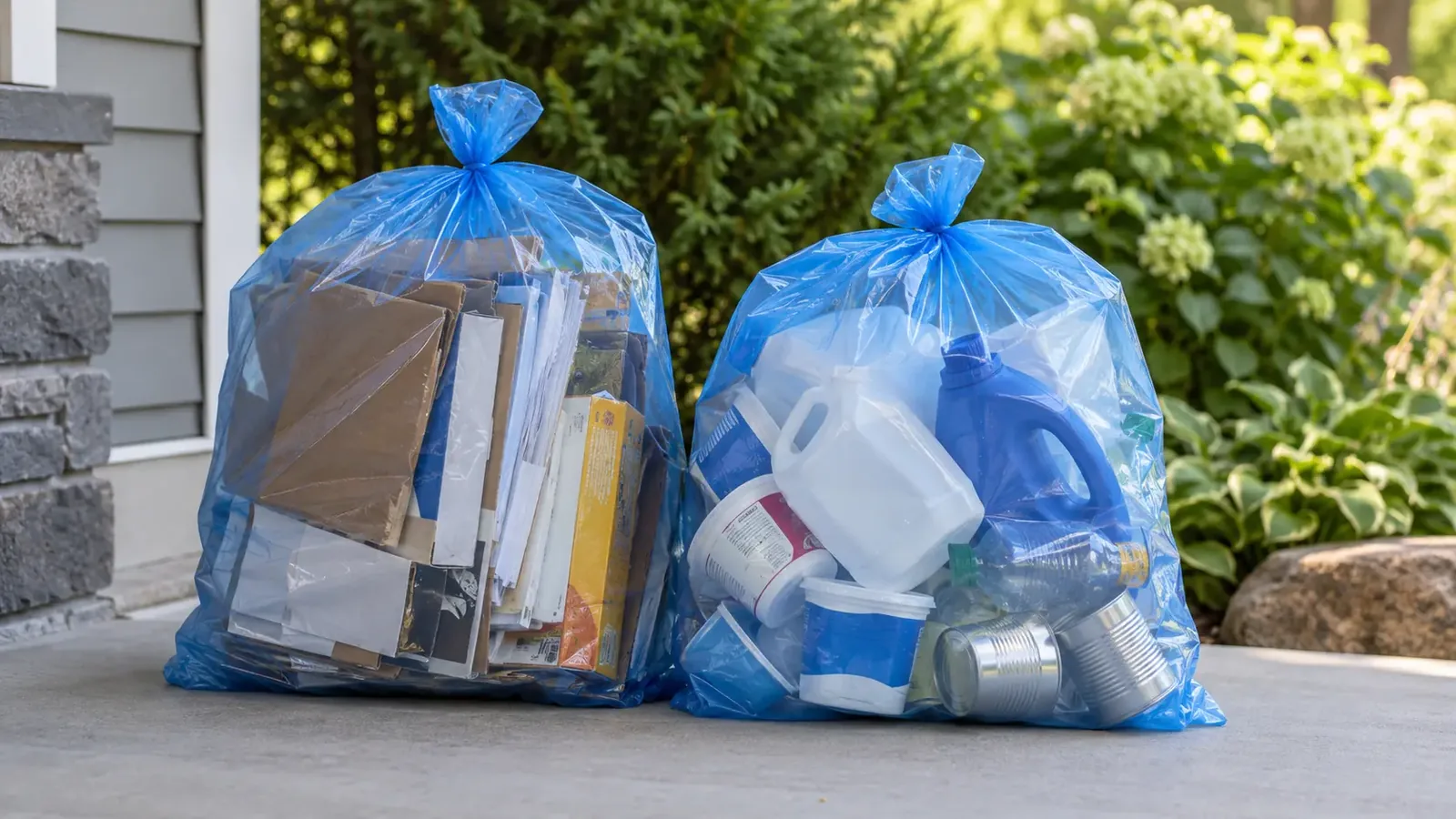
Illustrative cover image created with AI.
Start with the item’s condition and a willing recipient. Reuse or donation can be a good route for suitable belongings, but acceptance must be confirmed. A charity shop is not a disposal facility for everything a household no longer wants.
Make four decisions before you fill the bags
- Keep or repair: do you still use it, or have a realistic plan to restore it?
- Give away or sell: is someone interested in this particular item in its current condition?
- Donate: has an organisation confirmed it accepts this type and condition?
- Recycle or dispose: what program or local stream applies if reuse is not practical?
These are planning questions, not official acceptance rules. Put a clear decision beside each item instead of moving everything into a large “maybe donate” pile. If you are helping a relative, agree what stays before removing anything; sentimental and practical value are not always obvious to someone else.
What donation organisations may accept
Habitat for Humanity Nova Scotia’s ReStore donation guidelines include categories such as suitable furniture, appliances, fixtures and building supplies, with condition requirements and exclusions. The list is specific: an organisation accepting some building materials does not mean it accepts a mixed load of renovation refuse.
Check the current ReStore information and ask about your actual items. Send photographs, dimensions and an honest description of wear or damage. Confirm whether delivery or pickup is available for your address; do not plan on collection until it has been agreed.
Match the recipient to the item. Clothing, books, furniture and building supplies may need different organisations. Ask before leaving anything outside a shop or donation bin, especially if the bin is full or the item does not fit its stated purpose.
Prepare a useful donation, not an extra sorting job
As a practical courtesy, keep parts together, label what they belong to and describe anything missing. Keep items dry while you arrange a handover. A photograph of a complete item is more useful than a photograph of a bag whose contents no one can identify.
For electronics, first follow EPRA’s advice on removing personal information. For textiles, consult Divert NS’s textile guidance and the chosen collector’s acceptance instructions. Do not promise that any one recipient can use every fabric, broken appliance or household object.
If an organisation declines an item, ask whether it knows another suitable route, but be prepared to use the proper recycling or disposal program. A declined donation does not automatically become regular garbage.
A local detail: Last ReSort is not a donation drop-off
Valley Waste’s Last ReSort ReUse Centre page explicitly says the store does not accept donations. It sells items selected through its own operation. Do not drive there with a donation load based on the name alone.
This is why the confirmation step matters. Reuse centres, charity stores, municipal sites and recycling depots can look similar in a search result while operating very differently. Check the actual receiving rules before arranging transport.
Plan a cleanout in stages
For an ordinary household clearout, work through one area at a time and give each pile a destination. Set a realistic deadline for arranging reuse so that undecided items do not block access for weeks. Keep a simple record of what a recipient has accepted, who is collecting it and when.
Keep batteries, paint and unknown products out of donation bags. Use the special-item guide for those. Once destinations are confirmed, the facility-trip checklist can help you plan any remaining load.
For suitable cleanouts around Annapolis Royal, Valley Labour can help with agreed sorting, lifting and junk removal. Tell us which items must stay, which donations are confirmed and what still needs assessment. Reuse is considered where practical, not promised for every item.