How to prepare for a waste-facility trip in the Annapolis Valley
Sort a facility load before you pack the vehicle. Confirm where each material is accepted, what preparation is required and whether fees or restrictions apply. A transfer station, recycling depot and donation centre are different destinations.
Make a material list before choosing a destination
Walk through the items you plan to remove and make a short inventory. Describe the material and condition: household rubbish, cardboard, furniture, scrap from renovation work, electronics, paint or something unidentified. Add approximate quantities so you can ask useful questions.
Do not book a trip around a single assumption that “the dump takes everything.” Check your local waste authority and the relevant product program. For usable items, begin with the donation guide; for chemicals and powered products, use the special-item guide.
Local facility information for the Annapolis Valley
Valley Waste lists its Eastern Management Centre in Kentville and Western Management Centre in Lawrencetown on its locations and tipping-fees page. Use that live page for hours, temporary closures, fees and arrival instructions. The Lawrencetown facility is a disposal destination, not a statement about Valley Labour’s service area.
For construction and demolition material, consult Valley Waste’s C&D information and confirm acceptance for the actual material before starting removal. A project can produce several streams; do not assume renovation debris can all be treated as ordinary household garbage.
Town-run yard-waste sites may be another option
For eligible local residents, Annapolis Royal has a leaf and yard-waste site beside Public Works at 144 Victoria Street, and Middleton has a Brooklyn Road brush dump. These have their own material and access rules; Middleton prohibits commercial use. See the town drop-off details in our leaf-cleanup guide and follow the linked Town instructions. Do not take mixed household rubbish or demolition waste to a yard-waste site.
Ask these questions before loading
- Do you accept this material from a resident at my address?
- Is this the right site, or does it belong in a separate depot program?
- Must it be sorted, bagged, bundled or kept in original packaging?
- Are there quantity limits, special conditions or fees?
- Does a commercial hauler bringing it change the requirements?
- Do I need to unload it myself, and how should I arrive?
Write the answers beside each group. If a load contains an unidentified or leaking product, describe that explicitly and obtain instructions before handling or transporting it. Do not disguise it inside a bag of ordinary rubbish.
Pack for the order you will unload
As a practical loading plan, keep groups identifiable and accessible. Label ordinary boxes by destination and keep your inventory with you. Avoid burying a small depot box under furniture when it will be your first stop. Plan enough help for unloading without blocking other visitors.
At Valley Waste, the published site rules require entry through the scale house, clear bags for garbage, blue bags for recyclables and a tarp or net over open loads. Follow staff directions and unload only in the designated area. Read the complete site rules before you leave; this short checklist is not a replacement for them.
Keep the trip practical and record the result
Take your destination list, confirmation details and a way to pay any applicable charges. Before leaving each stop, make sure you know what was accepted and what still needs another route. Keep receipts with the project record, particularly if you are coordinating work for someone else.
If you need lifting, loading or hauling around Annapolis Royal, send Valley Labour photos and the inventory before scheduling. We can review suitable junk-removal work and agree on sorting and disposal scope. Hazardous materials and contaminated waste require an appropriate specialist.
Sources and guidance (3)
What would help you next?
Batteries, electronics and paint: disposal routes in Nova Scotia
Find the right program for items that need more than an ordinary recycling or garbage bag.
Read the guide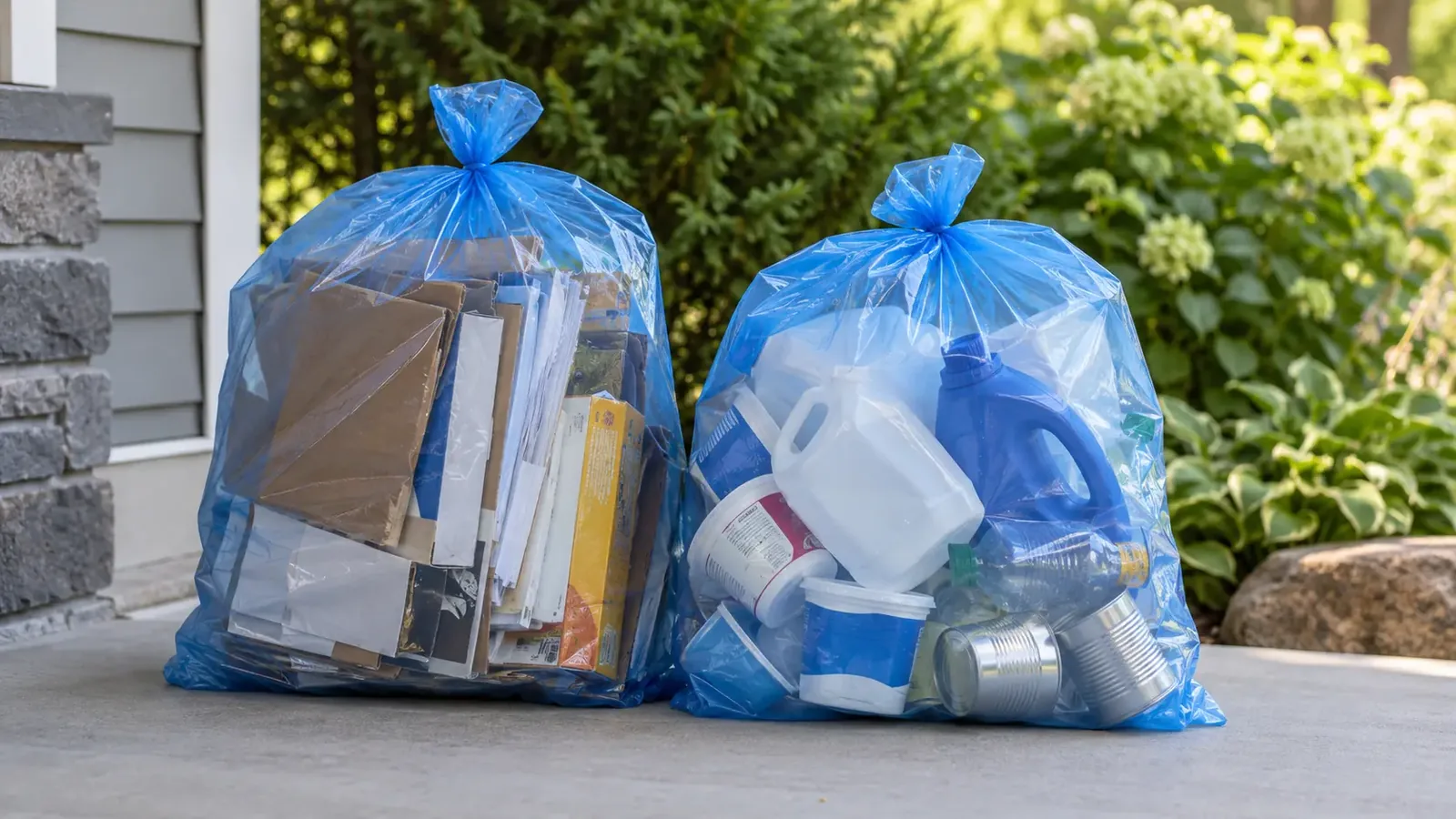
Donate, reuse or recycle? Planning a house cleanout in Nova Scotia
Keep useful belongings in use and confirm donation plans before you load.
Read the guide